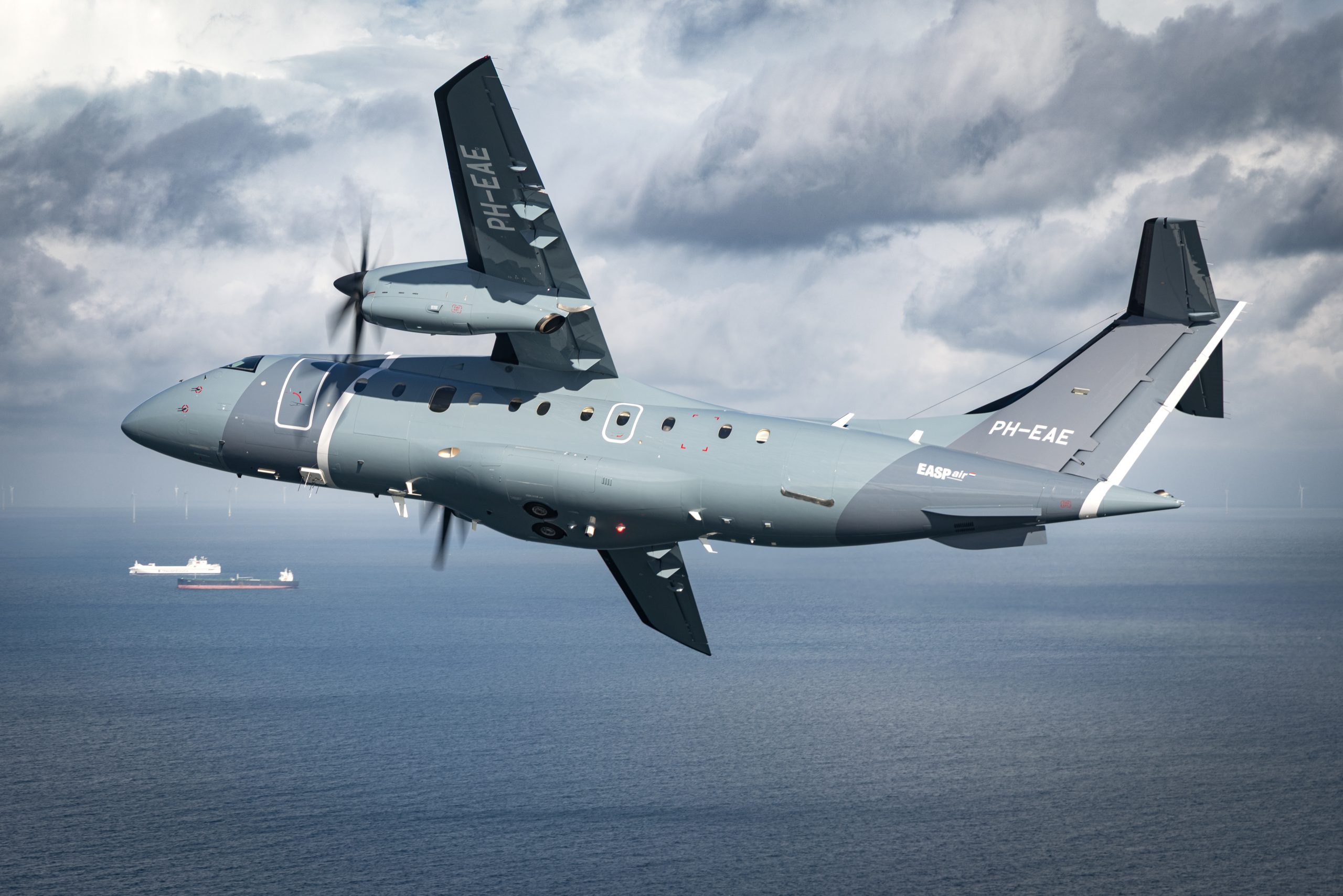
Trained, Tested, Type Rated
Initial training to become type rated is a comprehensive programme that qualifies a pilot to operate the aircraft safely and professionally. It combines ground school covering systems, performance, and procedures with Flight Simulator sessions covering normal, abnormal, and emergency scenarios. The course concludes with the Type Rating Skills Test, after which the pilot operates the aircraft in commercial or private service.
Training That Works Around You
Our initial type rating course combines remote learning, flexible scheduling, and training tailored to your operation. From structured ground school through to your simulator skills test, every stage focuses on relevant content and efficient delivery, reducing time away from flying while maintaining the highest standards of proficiency and safety.
Course Details
-
Duration
The course runs over 20 days and includes 8 days of ground school and 8 days of simulator training. Days off are built into the course schedule, with additional days off added as needed for scheduling purposes.
-
Training Topics
Theoretical training topics receiving special emphasis include aircraft systems, UPRT, systems review, intro to normal ops, performance flight planning, system integration, intro to abnormal and emergency ops, mass and balance.
Practical training topics include:
- Introduction, use of flight guidance and flight director, Pitch & Power concept, Steep turns, Stalls, normal approach procedures
- Minor malfunctions, introduction of 3D and go-around procedures
- FMS, Primary flight instrument failures, Visual circuits, 3D, 2D approaches
- Engine out familiarization, Propeller System, 3D approach single engine, 2D approaches
- Handling of engine failures caused by various conditions, 3D approaches, Review of deficits
- Emergency Procedures, Steep approaches, Flapless landing, Missed approaches, various Malfunctions
- Emergency procedure
-
Ground school
Ground school consists of two parts:
- Web-based training (30 hours)
- Attendance training (21 hours)
-
Practical training
Practical type rating course for Do328 consists of 2 parts:
- 32 hrs. (16 PF and 16 PM) on Full Flight Simulator
- Aircraft Training including at least 4 landings (6 landings for pilots with less than 500 hours on similar type / 1500 hours total)
-
Licence Skills Test (LST)
The course concludes with the Type Rating Skills Test where height, tracking, 3D approach, heading, and speed are evaluated.
-
Pre-requirements
Applicants must have at least 70 hours of flight experience as PIC on aeroplanes, have passed the ATPL(A) theoretical knowledge examinations, have completed an advanced UPRT course, hold a certificate of satisfactory completion of an MCC course in aeroplanes or have at least 500 hours as a pilot in multi-pilot operations on single-pilot multi engine aeroplanes, in commercial air transport in accordance with the applicable air operations requirements.
Included Training Courses
Area navigation and instrument approach procedures using required navigation performance criteria.
Operating with the head up display, projecting flight data into the pilot’s forward field of view.
Using infrared imaging to see the runway environment and terrain in reduced visibility conditions.
Operations in airspace where vertical separation is reduced from 2000ft to 1000ft above FL290.
Recognition and recovery training for aircraft upsets, unusual attitudes and envelope excursions.
Use of an inflatable vision unit that maintains a clear viewing area during cockpit smoke events.
Additional Courses Available
Approach and takeoff training in low visibility, qualifying crews for CAT II minima and LVTO down to 125m.
Approach qualification for high precision RNP procedures used at airports with complex terrain or curved paths.
Approach training for runways with paths above the standard glide angle, required at airports such as London City.
Operations in the North Atlantic High Level Airspace and oceanic crossings, covering routing and reporting procedures.
Qualification for long range routes that operate beyond standard diversion times from a suitable airport.
Crew training for designated airports with terrain or operational complexity requiring specific familiarisation.
FAQs
-
Is the training accepted by EASA and the UK CAA?
Yes. AeronautX is an Approved Training Organisation under EASA, with parallel UK CAA approval. We develop our training courses in house, built around competence based training and assessment principles, and the data behind every simulator we operate has been generated using up to date modelling techniques and modern simulator technology. Both the courseware and the simulator qualifications are approved directly by the authorities, with no dependency on a manufacturer relationship. Every certificate we issue is accepted by EASA, the UK CAA, and the operators we work with.
Enquire Now